
Items filtered by date: November 2007
A Winning Combination: Winning Works at the Museum of Contemporary Art

It was the flippant statement heard round the humanities. An errant comment, a sweeping generalization, and another dismissive remark towards the arts. While the internet might have lambasted the commentator, the commentary at its core is the erroneous belief or misunderstanding that the arts are a relic of a bygone era. Despite repeated talks of automating away human interaction and computers replacing all the creative elements of life, art, opera, ballet, and more thrive in Chicagoland. One cannot walk anywhere in Chicago without seeing works of art in all their forms, celebrated and muraled and inviting to visitors and locals alike. There is no truer testament to the lasting power of an art form than in its inclusive programs that empower the next generation, offering them time and space to captivate audiences of all generations. I can recommend no finer program than Winning Works, now playing at the Museum of Contemporary Art.

Winning Works is a mission-driven, access-oriented initiative that upholds The Joffrey Ballet's core values of “Joffrey for All.” Performed by students and trainees of the Grainger Academy of The Joffrey Ballet, the program provides opportunities for everyone, regardless of background, to experience, support, and participate in dance. The goal of the award is to recognize talented, emerging choreographers whose unique perspectives will inspire creativity in the form of original works of dance. Through Winning Works, the Joffrey aims to broaden access for artists who have been historically excluded from the art form and empower those who embody its values to shape the future of dance.

The Grainger Academy and Winning Works is the strongest example we have that ballet might change and grow and evolve with the times, but will never fade into obscurity. The performance at the Museum of Contemporary Art is itself an exhibit of movement, exploration, love, and light. Set against its contemporaries, Winning Works features incredible performances that leave you spellbound, each more unique than the last. Each performance features a brief introduction by the choreographer, detailing their reflection on the program and staging a performance offering a unique perspective only the artist themselves could give the audience. Audience members will love the contemporary movements of To Carry Our Own Names by DaYoung Jung, enjoy the whimsicality of Alexandra Schooling’s Hushed Power, shimmy and shake along with Daniel Ojeda’s Visitors, bask in the glow of the light and airy Eclat by Julia Feldman, and marvel at the uniqueness of Fran Diaz’s A Strange House We Must Keep. There is truly something for everyone, all performed by the incredibly talented young dancers who will no doubt grace the stages of the grandest theatres across the world.

For as many years as I have lived in Chicago, I have heard “the arts are dying,” that they are old-fashioned and outdated. Truth be told, it’s rarely heard from Chicagoans, mere projections from those who would never visit the city let alone entertain the arts. Like the many seasons (and false seasons) of this great city, the arts and humanities have their seasons of flourish and seasons of slumber. Like Spring itself, Winning Works ushers in the new season with new performances filled with light, love, and beauty. Commentators may come and go, but ballet and the arts will always stand the test of time.
Winning Works is performing for a limited run from March 13-15 and March 19-22 at the Museum of Contemporary Art (220 E Chicago Ave, Chicago). Tickets are available at https://joffrey.org/. As a bonus, audience members can show their Winning Works program book to receive a free admission voucher to the MCA, proving that the arts are inescapably intertwined and will always win.
Static, Signals, and Surprises: City Lit’s Changing Channels Tunes In

The year is 1952. Television is rapidly gaining popularity over radio, to the delight of some and the disgust of others. Senator Joseph McCarthy has just been re-elected and is accusing hundreds of people of having connections to the Communist Party, provoking a nationwide climate of paranoid hysteria. Thousands of people, particularly in the mass media, are being blacklisted and expelled from their jobs. One would think (hope!) the lessons of this Red Scare might relieve us of government overreach and of accusations due to differing ideologies … sadly, not so much, as attested to by Stephen Colbert.
CHANGING CHANNELS opens in a backstage dressing room at the DuMont Television Network, a dressing room tenanted by Maggie Carlin (Kat Evans) for her popular comedy show. Kat Evans as Maggie Carlin and Orion Lay-Sleeper as her comedic partner Eddie Gilroy are both absolutely terrific. I don’t generally like comedy; a television laugh track is like fingernails on a blackboard to me, but as CHANGING CHANNELS takes place on the set of a comedy TV show, some jokes are inevitable. Happily, they are truly good jokes. We all know the sound of an audience trying to laugh cos they know it’s expected, as opposed to honestly breaking up over a droll line delivered skillfully, and in CHANGING CHANNELS even I was LOL! And later when the script turned serious, Evans and Lay-Sleeper both demonstrated superior range.
Skyler Tipton played Maggie’s husband Peter Bell, a truly stellar spouse, unswerving in his devotion and succor (I love using the word ‘succor’ – it’s like getting away with talking dirty). Andrew Pappas plays the handyman Kenny, a role that might have been a bit part but turns out to be pivotal. It’s not easy to flesh out a character from only a handful of appearances and lines, but Pappas succeeds in making Kenny real, a person whom one might like to have around.
Eddie’s lawyer, misfortunately (albeit appropriately) named Bullets, is played by Johnny Moran. The lawyer arrives bearing tidings of great joy – a breakthrough advance for Maggie and Eddie’s show! Next, however, he has to deliver the caveat: in order to accept the promotion they must sign a document that amounts to a loyalty pledge. Here is the crux around which the story turns: refusal to sign is not so much what anyone wants to do; it’s being expected to sign that rankles.
The set, designed by Joe Larkin, was inspired. The entire show takes place in Maggie’s backstage dressing room, giving the performance a pleasing sense of intimacy – Maggie can make all her many costume changes right onstage behind the big dress/costume rack – it is, after all, her dressing room! The wall is hung with posters showing some of Maggie and Eddie’s performances, and I was delighted to see on the coffee table a vintage copy of True Confessions – brilliant prop, Meg X McGrath! Emily McConnell’s costumes were spot on, totally in sync with the characters and the period, as well as a shining testament to Chicago’s resale shops! Lighting by Liz Cooper and Sound by Petter Wahlbeck combined to form an effective vintage milieu. And the overall smooth production is a testament to Stage Manager Tseela Sokolin-Maimon’s skill.
Why did I like CHANGING CHANNELS so much, given my dislike of comedy theatre? Well, CHANGING CHANNELS isn’t truly a comedy show – the comic repartee is because the characters are comediennes. The play itself, while very funny at times, is actually political commentary, and the raillery serves to lighten and brighten what might otherwise have been a heavy-handed delivery of the message. To my mind this serves to make the message more powerful as well as more accessible.
Edmund Burke said:” The only thing necessary for the triumph of evil is for good men [sic] to do nothing.” Hear hear!
CHANGING CHANNELS plays at City Lit Theatre, 1020 W Bryn Mawr Ave, through April 12
HIGHLY RECOMMENDED!
This review is proudly shared with our friends at www.TheatreInChicago.com.
Beautifully Produced 'Two Sisters and a Piano,' But Script Misses the Mark

In “Two Sisters and a Piano” written by Nilo Cruz and directed by Lisa Portes, we soon learn these two women have been trapped for years under house arrest in an aging manor in Cuba. One is a writer, the other a musician —and that’s her baby grand piano on stage. Maria, the writer (Andrea San Miguel in a darkly rich performance), awaits news of her husband who escaped to freedom in Sweden five years before, yet his letters never arrive. The musician, Sofia (Neysha Mendoza Castro is a delight) is a free spirit, chafing under the constraints of always being at home.
It is 1991. The sisters home is a decaying Spanish Colonial manor house, with colonnades and columns. A spiral staircase leads to the bedrooms above, and the Caribbean Ocean beyond is visible through the windows (Brian Sidney Bembridge is Scenic Designer.)
The Russian policies of perestroika and increased market openness that led to the collapse of the Soviet Union, causes Russia to withdraw from its Cuban client state. Though this sounds timely given current events, playwright Nilo Cruz (who won a Pulitzer for “Anna in the Tropics”) uses the circumstances only as backdrop for something deeper. The political shift dispenses a sense of tumult and change.
A military officer, Lieutenant Portuondo (Adam Poss), arrives on the scene carrying satchels of correspondence from Maria’s husband from his safe harbor in Sweden. Portuondo appears sinister at first, and we gather that he thinks the letters may be masking plans for Maria’s escape. But we soon learn that is not his game, as he taunts Maria, then whittles away at her strong resistance, exposing her vulnerabilities by reading selections from the pile of sometimes ardent letters.
Her sister Sofia plays that piano at times, mostly reluctantly, but her soul is suffering as she feels cut-off from humanity. Even their radio dies, silencing their only source of news. We learn that neighbors loyal to the government monitor their activities, and no one visits.
Eventually a permissible opportunity allows a piano tuner to be summoned: Victor Emmanuel (Arash Fakhrabadi), an open-hearted and warm fellow whom Sofia charms into returning to visit her again.
Thus we have two parallel relationships which the playwright explores, but to my mind, not effectively. At times we have to do too much work to gather the motivations of the characters. The playwright may think them self-evident. We can see that Lieutenant Portuondo has fallen in love—perhaps because he has read so many of the letters from Maria’s husband? We get rather melodramatic expressions of aspirational longing.
“There is something about you and your sister that’s different,” says Lieutenant Portuondo. “You’re pure.” And yet he keeps these pure beings under arrest. There is much talking about, reminiscing, but not enough action. In one such conversation, Lieutenant Portuondo says “I think people die there from looking at the cows.” To which Sofia replies, “Moo!” Which earns a laugh, but to me it also sounded like an actress trying to save a play.
In fact the most engaging moments are those comic antics that Neysha Mendoza Castro’s Sofia drums up, along with her accomplice Fakhrabadi’s Victor Emmanuel. Nilo Cruz is a skillful playright, the sert-up is intriguing, and the turning points and rising action and resolution show up. But the most interesting parts are the relief provided by the scenes with Victor the piano tuner and Sofia, who finally cracks under the oppressive weight of her seclusion. That piano is not played enough to warrant its billing in the title. And the repetitive arrivals of Lieutenant Portuondo and the continuous voice of alarm in Maria’s complaints offer drama more on the order of soap opera—going not very far, ultimately.
Somewhat recommended, if only for the excellence of the overall production, “Two Sisters and a Piano” runs at Writers Theatre through March 29 in Glencoe, IL.
This review is proudly shared with our friends at www.TheatreInChicago.com.
A Night in Jellicle Heaven: Music Theater Works Delivers a Stunning 'Cats'

Andrew Lloyd Webber’s Cats remains one of musical theatre’s most distinctive creations - a sung‑through, dance‑driven spectacle that swaps traditional plot for atmosphere, character portraits, and pure theatrical immersion. Drawn from T. S. Eliot’s Old Possum’s Book of Practical Cats, the musical unfolds as a moonlit gathering of the Jellicle tribe, each feline stepping forward to claim the spotlight before the climactic “Jellicle Choice,” when one is chosen for rebirth into the Heaviside Layer – a new life. Its unconventional structure, eclectic score, and iconic choreography helped define the mega-musical era, earning Cats major awards and record‑breaking runs in both London and New York. And now it’s here!
To kick off their 2026 season, Music Theater Works brings Cats to the North Theatre in the North Shore Center for the Performing Arts, offering Chicago audiences a fresh trip into the Jellicle universe. It’s the perfect time to pounce on this legendary musical - whether you’re drawn by its nostalgia, its high‑energy movement, or the simple delight of watching a community of cats chase belonging and second chances.
Cats has always been one of my very favorite Andrew Lloyd Webber musicals, and revisiting it reminds me why. Its blend of atmosphere, movement, and character‑driven storytelling creates a world that feels both whimsical and strangely profound – a world that is so easy to get lost in.
What continues to give Cats its staying power is the blend of spectacle and emotional resonance. While much of the evening plays as a parade of emotionally grounded ensemble-anchored numbers - playful, mischievous, or grand - the heart of the piece rests with Grizabella (magnificently played in this production by Ava Lane Stovall), the faded glamour cat whose ballad “Memory” became a global standard. The production’s emphasis on movement, atmosphere, and immersive world‑building over traditional linear storytelling makes Cats both polarizing and unforgettable, and its decades‑long staying power proves just how deeply that approach resonates across generations. Music Theater Works captures that essence beautifully, channeling the show’s dreamlike logic and ritualistic energy in a way that feels both faithful and freshly imagined.
Astutely directed and choreographed by Mandy Modic, Music Theater Works makes inventive use of the North Shore Center’s intimate space, transforming nearly every nook and cranny into part of the Jellicle playground. The result is a production where activity seems to spark from every direction, creating a sense of constant motion that borders on ingenious. From the moment the show begins - after a playful prelude of cat videos on a large TV - the cast emerges in the dark, parading down the aisles with glowing cat‑eye glasses that immediately pull the audience into their world. Throughout the performance, strategically placed perches and platforms scattered around the theater keep the action mere inches away, giving some audience members the rare thrill of being fully surrounded by the Jellicle tribe. Though I’ve seen Cats countless times in both the Chicagoland area and New York, this production may well be the one that connected with me the most.

(Center) Ethan Lupp as “Rum Tum Tugger” and members of the cast of CATS in CATS from Music Theater Works, now playing through March 29 at the North Shore Center for the Performing Arts in Skokie.
Sam Nachison brings a commanding warmth to Old Deuteronomy, balancing authority with compassion and grounding the production with a rich, resonant baritone in his self‑titled number. Stovall, meanwhile, delivers a vocally commanding, show‑stopping “Memory” in Act II - an emotional high point that pierced my heart and gave me chills. But what truly elevates this production is how deep the talent runs throughout the ensemble. Whether it’s the big, full‑company showstoppers, the sly, feline physicality woven into every corner of the stage, or the sheer joy of numbers like “Magical Mister Mistoffelees,” the cast proves endlessly engaging. Group sequences such as “Jellicle Songs for Jellicle Cats” and “Journey to the Heaviside Layer” showcase a company working in complete synchronicity, creating moment after moment that dazzles. The memorable beats are as abundant as the cats roaming the theater, each one adding to a production overflowing with energy, precision, and charm.
Throughout the performance, I found myself drawn to different performers at different moments, captivated by their vocals, their movement, and the sheer feline energy they brought to the stage. The ensemble’s commitment was so complete that no matter where I looked, someone was doing something compelling, clever, or beautifully in character. That sense of constant discovery carried straight into the show’s physical feats - from aerial acrobatics to Morgan Schoenecker’s crisp tap breaks as Jennyanydots and even the unexpected skating sequences led by Danny Spagnuolo as Skimbleshanks - making the production a steady stream of surprises. Add in the constant, playful eye contact from cats prancing through the aisles, and every moment feels enchanting - alive with movement, mischief, and immersive detail.
Nick Johnson’s Munkustrap grounds the entire production with a steady, commanding presence, guiding the ensemble and shaping the rhythm of the evening. He moves through the show with an effortless authority - part narrator, part guardian - setting both the emotional and musical pace while keeping the Jellicle world anchored. In doing so, he opens the door for the production’s standout moments to land with even greater impact - and never far from that spotlight is Emma Jean Eastlund’s Bombalurina, slipping in with charisma and precision alongside the rest of the talented ensemble.

Ava Lane Stovall as “Grizabella” in CATS from Music Theater Works. Phots by Brett Beiner.
Another moment that stayed with me was John Cardone’s moving rendition of “Gus: The Theatre Cat.” As Asparagus, he delivers this bittersweet, nostalgic reflection of an aging performer looking back on the glory days of his career. The ache of the number comes from the gap between who Gus once was and who he has become - an actor with a shabby coat, trembling paws, and memories of a time when he was the “terror to mice.” Cardone leans into that fragility with such sincerity that the song lands as both a tribute and a quiet heartbreak.
And from that intimate moment, the production expands back into the vibrant world of the Jellicles. The cats themselves are incredible - brought to life with remarkable clarity thanks to the production’s outstanding creative team. Much of that magic stems from the meticulous work of hair, wig, and makeup designers Megan E. Pirtle and Melanie Saso, whose transformations give each performer a distinct feline identity, and from the richly textured costumes crafted by kClare McKellaston and wardrobe head Kristen Brinati, which add depth, personality, and visual cohesion to the entire tribe. Together, their contributions shape a world so vivid and fully realized that the characters feel as if they’ve stepped straight out of Eliot’s imagination and into the audience’s laps. Credit belongs to every corner of the creative team, from scenic design to sound to lighting, all working together to shape an atmosphere that feels nothing short of Jellicle heaven. Their combined artistry turns the space into a fully realized world - mystical, inviting, and alive with detail - so the audience is immersed from the moment the first cat appears. Every technical element works in harmony to envelop the audience in this moonlit world - sets that invite exploration, sound that wraps around the room, and lighting that shifts the space from mystical to electric in an instant. The result is a production that manages to be both haunting and joyfully alive, lingering in the imagination long after the final note.
What I appreciated most about this rich and colorful production is how it reflects the moment we’re living in. At a time when the world feels unsteady, we’re each our own special kind of “cat,” carrying unique talents and flaws, and offering up our personal histories - our triumphs and our losses to each other our fellow "cats" - as the curtain of world seems to be falling around us. Yet, in that shared vulnerability, we find the strength to realize that as long as we keep supporting one another, the light never truly goes out.
Purr‑fect, meow‑velous, pawsitively delightful, downright meow‑gical - take your pick! Every one of them fits this production like a cat in a sunbeam.
Music Theatre Works’ Cats is being performed at the North Theatre in the North Shore Center for the Performing Arts through March 29th. For tickets and/or more show information visit https://www.musictheaterworks.com/2026-season/cats/.
Highly Recommended.
This review is proudly shared with our friends at www.TheatreInChicago.com.
TimeLine Theatre Company announces inaugural season at new Uptown home

|
|
|
|
|
IT’S TIME: ABOUT TIMELINE’S NEW HOME
|
|
Steppenwolf Theatre Company Announces 2026/27 Season

Steppenwolf Theatre Company, under the leadership of Artistic Directors Glenn Davis and Audrey Francis and Executive Director E. Brooke Flanagan, today announced its 2026/27 Season, marking the next chapter of the company's bold, visceral and muscular work, while celebrating a dynamic range of exciting new voices and Steppenwolf legends. The 51st Season features five Steppenwolf Membership Series productions: two world premieres, a Chicago premiere, an English-Language premiere and a modern masterpiece – all emblematic of Steppenwolf's indelible impression on the American Theatre. Steppenwolf also doubles down on its decades-long mission to immerse Chicago's youth in the arts through its lauded educational initiatives – and provide much-needed artistic space for the city's bustling community of multi-disciplinary artists, along with itinerant theatre companies.
Steppenwolf Artistic Directors Glenn Davis and Audrey Francis comment, "It is perhaps clearer today than at any other moment in our 50-year history: Steppenwolf is the place to experience the next big thing in American theatre. From Broadway transfers of plays that were born right here on Halsted Street, to world premieres that go on to be produced all over the country, this company continues to define cutting-edge, risky and damn fine theatre for audiences around the world."
Davis and Francis continue, "But, if you know Steppenwolf, you know that the awards, the recognition, the platitudes: it's all secondary to what drives us forward. Everything we do begins with our North Star of bringing Chicago audiences theatre they can sink their teeth into, brought to life by our ensemble of world class artists. In planning our 51st season, we knew we wanted to bring Chicago a slate of plays that deliver on Steppenwolf's promise of teeing up gritty, provocative and riotous drama – before you might see it somewhere else."
Raising the curtain on Steppenwolf's 51st Season, Suzan-Lori Parks' Pulitzer Prize-winning drama Topdog/Underdog returns to North Halsted more than two decades after the company's celebrated 2003 production. Helmed by Tony Award-winning director Kenny Leon, ensemble members Glenn Davis and Namir Smallwood go head-to-head in this fast-paced and ferocious thrill ride. Up next, Steppenwolf continues its tradition of bringing new works to the American theatre canon with the world premiere of Chicago playwright Stephanie Alison Walker's biting satire Adirondack Chair Circle, directed by Tony Award winner Pam MacKinnon and featuring ensemble member Audrey Francis. The 2026/27 continues with the Chicago premiere of The Comeuppance, a riveting dark comedy from Branden Jacobs-Jenkins, the Pulitzer and Tony Award-winning playwright of Purpose. Ensemble member Tina Landau directs this co-production with American Conservatory Theater featuring an ensemble-stacked cast including Celeste M. Cooper, Caroline Neff, Karen Rodriguez and Namir Smallwood. Next spring, Steppenwolf presents the English-Language premiere of Ellen B., a psychological thriller by internationally-lauded playwright Marius von Mayenburg, translated by Daniel Brunet and directed by Whitney White. Concluding the 2026/27 season, ensemble member Terry Kinney directs the world premiere of Adam Rapp's haunting and emotional The Night Fawn, featuring ensemble member Cliff Chamberlain.
The 2026/27 Season is presented at Steppenwolf's expanded campus, which includes three theaters: the Ensemble Theater in Honor of Helen Zell, the Downstairs Theater and the intimate 1700 Theater.
Steppenwolf Executive Director E. Brooke Flanagan adds, "Moving into the theater's next half century, Steppenwolf continues our commitment to the core values that have made us a global leader of theatrical innovation and a cultural citizen for the City of Chicago. The five dynamic plays produced by our company will be complemented by robust teen programming and education programs that throw open our doors for the next generation of learners, makers and appreciators. Additionally, our three stages will welcome a wide variety of local and visiting artists across discipline, expanding our service as a neighborhood hub for art and innovation."
2026/27 Classic Memberships are now on sale starting as low as $165* and include all five Membership Series productions – three plays in the Downstairs Theater and two in the Ensemble Theater. Classic Members receive priority access to seats along with full membership benefits, including unlimited ticket exchanges. The Black Card, Steppenwolf's flex membership, offers six ticket credits starting as low as $128* that allow patrons flexibility for when and how they see shows at Steppenwolf. For patrons under 30, RED Card Memberships offer six ticket credits for just $107*. Discounted packages for students and teachers and accessible packages are also available. For more information and to purchase Memberships, visit Audience Services at steppenwolf.org or call (312) 335-1650. *Prices include handling fees
Throughout the 2026/27 Season, Steppenwolf continues its commitment to education and the next generation of audiences with dedicated student matinee performances during four of the five Membership Series productions (Topdog/Underdog, Adirondack Chair Circle, The Comeuppance and Ellen B.). Reaching nearly 15,000 teens, educators and community members annually, Steppenwolf Education and Engagement also includes in-school residencies, teen programs, community partnerships and public programs, educator trainings and Maker Workshops – a series of on-site workshops in artmaking and theater production. For additional information about Steppenwolf's Education and Engagement programming and to register your school for a field trip visit steppenwolf.org/education.
Additionally, Steppenwolf's 2026/27 Season reaffirms the organization's commitment to spotlighting the work of Chicago's vibrant and eclectic artistic communities in the 1700 Theater. Since opening its doors in 2016, this malleable, intimate space has hosted over 1,000 performances featuring the wide breadth of innovative, bold and adventurous work from more than 3,200 artists across a variety of performance genres. As it steps into its second decade of programming, the 1700 Theater will be the home of an ongoing collaboration with Teatro Vista Productions as part of a multi-year partnership between the two organizations while also continuing to feature performing artists across theatrical disciplines of dance, drag, music, storytelling, comedy, puppetry and more.
Steppenwolf also plans to continue presenting the work of exciting visiting artists and companies in the Downstairs Theater and Ensemble Theater, after the success of presentations of comedy, musical theater and theater artists in recent seasons. These engagements are announced on a rolling basis, with Steppenwolf Members enjoying early access.
STEPPENWOLF THEATRE COMPANY'S 2026/27 SEASON
Topdog/Underdog
Written by Suzan-Lori Parks
Directed by Kenny Leon
September 17 — November 1, 2026
Featuring ensemble members Glenn Davis and Namir Smallwood
in the Downstairs Theater
Press opening: Sunday, September 27, 2026 at 6 pm
Brothers Lincoln and Booth, named in jest, are two Black men living in America just trying to get by. Lincoln dresses like his namesake, reenacting his assassination for money and laughs. Booth stays stuck in their apartment, working tirelessly on his three-card hustle. Sibling rivalry and a lifetime of resentment come to a head in this fast-paced and ferocious thrill ride from Suzan-Lori Parks. The deck is stacked with a Tony Award-winning director, a Pulitzer Prize-winning script and a tour-de-force showdown for ensemble members Glenn Davis and Namir Smallwood. "Take thuh cards and show me whatcha got!"
Adirondack Chair Circle – World Premiere!
Written by Stephanie Alison Walker
Directed by Pam MacKinnon
Featuring ensemble member Audrey Francis
October 22 — December 6, 2026
in the Ensemble Theater
Press opening: Sunday, November 1, 2026 at 6 pm
Banna has it all... or at least that's what the other suburban moms think. Beneath the charcuterie boards, backyard soirees and pickleball, there's a funny feeling bubbling underneath this seemingly perfect facade. Is it the pressure to save her children from the beliefs of the school district? Or is it just that suspicious crow watching her every move? A piercing world premiere from a playful Chicago voice, Stephanie Alison Walker's Adirondack Chair Circle exposes the hilarious hypocrisy of the clubs we join and the company we keep. And has a damn good time doing it.
The Comeuppance – Chicago Premiere!
Written by Branden Jacobs-Jenkins
Directed by ensemble member Tina Landau
A co-production with American Conservatory Theater
Featuring ensemble members Celeste M. Cooper, Caroline Neff, Karen Rodriguez and Namir Smallwood
February 4 — March 21, 2027
in the Downstairs Theater
Press opening: Saturday, February 13, 2027 at 7:30 pm
Welcome back, St. Anthony's graduating class of 2002! On the night of their 20th high school reunion, a group of misfit Millennial classmates reconnect for a familiar pregame: drinks, pot, a limo ride and a whole lot of messy memories. But, in Branden Jacobs-Jenkins' riveting dark ensemble comedy, a specter looms over the proceedings, reminding us that time only marches forward, even for '90's kids. This Chicago premiere from the Pulitzer Prize-winning playwright of Purpose is a contemplative, hilarious and grave reflection on life and death.
Ellen B. – English-Language Premiere!
Written by Marius von Mayenburg
Translated into English by Daniel Brunet
Directed by Whitney White
April 1 — May 9, 2027
in the Ensemble Theater
Press opening: Sunday, April 11, 2027 at 6 pm
Astrid, a teacher, lives with Klara, her considerably younger partner – and also her former student. When Wolfram, the school's headmaster, drops by for a visit, he brings with him uncomfortable accusations, and the search for truth erupts into a wicked game of power and desire. In this psychological thriller with no easy answers, internationally-lauded playwright Marius von Mayenburg touches the nerve between past and present, professional and private, truth and lie.
The Night Fawn – World Premiere!
Written by Adam Rapp
Directed by ensemble member Terry Kinney
Featuring ensemble member Cliff Chamberlain
May 27 — July 3, 2027
in the Downstairs Theater
Press opening: Sunday, June 6, 2027 at 6 pm
Brendan has a story, one that hurts to tell. He's lost his job, his marriage has ended and he's headed back home to settle his late mother's affairs. It's there that he finds the need to talk, as an unthinkable secret from his childhood demands attention. A provocative confession with haunting implications about memory and revenge, Adam Rapp's The Night Fawn offers a sunset to our season – but real monsters don't wait to come out after dark.
2026/27 SEASON ARTIST BIOGRAPHIES
Topdog/Underdog
Suzan-Lori Parks (Playwright) is a multi-award-winning writer and musician. She is the first African-American woman to receive the Pulitzer Prize for Drama for Topdog/Underdog, which recently won the 2023 Tony Award for Best Revival. Her other plays include Sally & Tom (2024), Plays for the Plague Year (Drama Desk Award, Best Music, 2023) and Father Comes Home From The Wars (2014). Parks' first marathon-writing "micro diary plays," 365 Days/365 Plays were produced worldwide in what was the largest grassroots collaborative theatre project to date. She is a MacArthur "Genius" Fellow, a novelist: Getting Mother's Body (Random House); and a screenwriter: Girl 6, Genius: Aretha, and The United States vs Billie Holiday. Parks also writes songs and fronts her band "SLP& The Joyful Noise," with her punk-couture medicine show, The Tune Up, world-premiering this summer. As a college student Parks is grateful to have studied creative writing with James Baldwin, who encouraged her to write for the theatre.
Kenny Leon (Director) is a Tony Award-winning director. Broadway: Othello, Our Town, HOME, Purlie Victorious: A Non-Confederate Romp Through the Cotton Patch, Topdog/Underdog, Ohio State Murders, A Soldier's Play, American Son, Children of a Lesser God, Holler If Ya Hear Me, A Raisin in the Sun, The Mountaintop, Stick Fly, August Wilson's Fences, Gem of the Ocean and Radio Golf. Off-Broadway: This World of Tomorrow (The Shed), King James, The Underlying Chris, Everybody's Ruby, Emergence-See! (The Public), Smart People (Second Stage). Opera: Amahl and the Night Visitors, Margaret Garner. Television: Robin Roberts Presents: Mahalia, Colin in Black & White, 4400, Amend: The Fight for America, American Son (adapted for Netflix), Hairspray Live!, The Wiz Live!, Steel Magnolias, Dynasty, In My Dreams. Author: Take You Wherever You Go. Artistic Director Emeritus: Kenny Leon's True Colors Theatre Company. Senior Resident Director: Roundabout Theatre Company. Awards: Obie, Actors Fund Medal of Honor, George Abbott Lifetime Achievement for American Theatre, Jason Robards Award for Excellence in Theatre.
Glenn Davis (Lincoln) is an actor, producer and Artistic Director of Steppenwolf Theatre Company, alongside Audrey Francis, where he has been an ensemble member since 2017. His Steppenwolf credits include Downstate, The Christians, You Got Older, The Brother/Sister Plays, Head of Passes, King James (also Mark Taper Forum), Describe the Night, and, most recently, Purpose. Broadway credits include Purpose (Tony nomination–Best Featured Actor, Tony Award–Best Play) and Bengal Tiger at the Baghdad Zoo (also Kirk Douglas Theatre, Mark Taper Forum). Off-Broadway credits include Transfers (MCC Theatre), Wig Out! (Vineyard Theatre), Downstate (Playwrights Horizons, Outer Critics Circle Nomination) and King James (MTC). Other regional credits include Moscow x6 (Williamstown Theatre Festival). International credits include: Downstate (National Theatre, UK); Edward II, The Winter's Tale and As You Like It (Stratford Festival); Othello (The Shakespeare Company). Television credits include Billions, 24, The Unit, Jericho and The Good Wife. Glenn is an Artistic Associate at the Young Vic in London and at the Vineyard Theatre in New York. He is also a partner in Cast Iron Entertainment, a collective of artists consisting of Sterling K Brown, Brian Tyree Henry, Jon Michael Hill, Andre Holland and Tarell Alvin McCraney. Cast Iron is currently in residence at The Geffen Playhouse in Los Angeles. In 2021, Glenn founded The Chatham Grove Company along with his producing partner Tarell Alvin McCraney.
Namir Smallwood (Booth) joined the Steppenwolf Theatre Company ensemble in 2017. Steppenwolf: Mr. Wolf, You Will Get Sick, The Book of Grace, The Seagull, Bug, True West, BLKS, Monster, Man In Love, The Hot L Baltimore, Last Night and the Night Before. Broadway: Bug, Pass Over. Off-Broadway: Pipeline, Pass Over (Lincoln Center). Chicago: Primary Trust (Goodman); Charm (Northlight Theatre); The Grapes of Wrath (The Gift Theatre); East Texas Hot Links (Writers Theatre). Regional: Marin Theatre Company, Pillsbury House Theatre, Ten Thousand Things, Guthrie Theater. International: True West (Galway International Arts Festival). Television: Chicago Fire, Betrayal, Elementary, American Rust (Showtime/FreeVee), Power Book IV: Force (STARZ). Film: Rounding, About Time, Bailey's Blues.
Adirondack Chair Circle
Stephanie Alison Walker (Playwright) is an internationally-produced, award-winning playwright whose work is known for the personalization of the political, humor in darkness and the dramatization of the resilience of women. She is a native Chicagoburbian who has lived all over including London, Buenos Aires, San Juan Island and fifteen years in Los Angeles. She received her Bachelors in English/Creative Writing and Spanish from the University of Colorado and her Master of Professional Writing from the University of California. She began writing plays while working for Fox Theatricals in Chicago. Her play about the housing crisis, American Home, was the inaugural winner of American Blues Theatre's Blue Ink Award. Her play about the mothers of the disappeared in Argentina, The Madres, received a National New Play Network Rolling World Premiere at Teatro Vista in Chicago, Skylight Theatre Company in L.A., Moxie Theatre in San Diego and Shrewd Theatre Company in Austin. It was the 2019 Winner of the Francesca Primus Prize, winner of the Ashland New Plays Festival, the Generations Prize and semi-finalist for the CTG/ Humanitas Prize for playwriting. Her follow-up play The Abuelas, premiered at Teatro Vista and was recently adapted into a short film titled The Birthday Gift. The Art of Disappearing was a finalist for the Primus Prize and enjoyed critical praise for the world premiere in Chicago by 16th Street Theater in 2015. Friends with Guns, her play about liberals and gun ownership was an O'Neill Finalist, winner of Best New Play at the 2019 Valley Theatre Awards, and had its Chicago premiere by A Short Leap Theatre Company in 2025. Sophia Hayden Deserves Better tells the story of the architect of the Woman's Building at the 1893 World's Columbian Exposition in Chicago and was recently a part of Gglassfest by Lookingglass Theatre in Chicago. The Ordeal of Water, inspired by the first women to work as Longshoremen at the Port of Los Angeles, was most recently a part of Bay Street Theater's New Works Festival. Adirondack Chair Circle, her play that tackles suburban book-banning moms, was developed at The Inkwell Theater Company and A Red Orchid's Studio at A Red Orchid. Her short plays have been anthologized by Smith & Kraus. Her full-lengths are published by Broadway Publishing, Inc. In addition to writing plays, she is currently adapting Friends with Guns and The Abuelas as features while raising two spirited boys and selling real estate in the suburbs of Chicago. She is a proud member of the Dramatists Guild of America, Honor Roll Playwrights, NNPN Affiliated Artist, and a proud alumni of the Playwrights Union. stephaniealisonwalker.com
Pam MacKinnon (Director) is a Tony, Drama Desk and multi-Obie Award winning director. She is the artistic director of American Conservatory Theater in San Francisco. She has directed more than eighty productions. Her Tony Award-winning production of Edward Albee's Who's Afraid of Virginia Woolf? originated at Steppenwolf. Her production of Bruce Norris's Downstate (Steppenwolf, National Theatre and Playwrights Horizons) was celebrated with several Jeff Awards and won Pam her second Obie. She served as president of SDC, the national Union of choreographers and directors.
Audrey Francis (Cast) currently serves as Artistic Director of Steppenwolf Theatre, alongside Glenn Davis, where she has been an Ensemble member since 2017. Audrey directed You Will Get Sick in Steppenwolf's 2024/25 season and POTUS in the 2023/24 season. She has performed on stage in Catch as Catch Can (upcoming), Noises Off, The Thanksgiving Play, The Herd, Between Riverside and Crazy, The Fundamentals, The Doppelgänger (an international farce) and Dance Nation. TV and film credits include Justified: City Primeval, Chicago Med, Chicago Fire, Empire, Perpetrator, Knives and Skin and Later Days. Audrey is an acting coach for NBC, Fox, Showtime, and Amazon. She is also the co-founder of Black Box Acting and the co-creator of Steppenwolf's corporate training program, Steppenwolf IMPACT.
The Comeuppance
Branden Jacobs-Jenkins (Playwright) is a Brooklyn-based playwright. Recent theatre credits include Purpose (Tony Award; Pulitzer Prize; Broadway, Steppenwolf), Appropriate (Tony Award; Broadway, Second Stage), The Comeuppance (Signature Theatre), Girls (Yale Rep), Everybody (Signature Theatre), War (Yale Rep; Lincoln Center/LCT3), Gloria (Vineyard Theatre), Appropriate (Obie Award; Signature Theatre), An Octoroon (Obie Award; Soho Rep, Theatre for a New Audience) and Neighbors (The Public Theater). He currently teaches at Yale University and serves as Vice President of the Dramatists Guild council and on the boards of Soho Rep, Park Avenue Armory, the Susan Smith Blackburn Prize and the Dramatists Guild Foundation. Honors include a USA Artists fellowship, a Guggenheim fellowship, the MacArthur fellowship, the Windham-Campbell Prize for Drama and the inaugural Tennessee Williams Award.
Tina Landau (Director) is a writer, director and Steppenwolf ensemble member since 1997 where her 20 productions include Ms. Blakk for President (also writer with Tarell McCarney), The Brother/Sister Plays, The Wheel, The Time of Your Life, Head of Passes, Space (also writer), The Berlin Circle, The Tempest, Superior Donuts, and more. Many of these productions then moved on to play at multiple theaters such as The Public in NYC, the Taper in LA, Seattle Rep, American Conservatory Theater and Berkeley Rep. On Broadway, Tina wrote the book for and directed the musical Floyd Collins (Lincoln Center Theater, 6 Tony noms including Best Revival), wrote book, co-lyrics and directed Redwood (starring Idina Menzel), and conceived and directed The SpongeBob Musical (12 Tony noms, Drama Desk & Outer Critics Circle winner–Best Direction and Best Musical.) Her other Broadway credits include Paula Vogel's Mother Play (with Jessica Lange, 4 Tony noms including Best Play), Tracy Letts' Superior Donuts and the musical Bells Are Ringing (also both Tony nominated). Her Off-Broadway productions include Bill Irwin and David Shiner's Old Hats, Chuck Mee's Big Love and Iphigenia 2.0 (all Signature), Paula Vogel's A Civil War Christmas (NYTW), Tarell McCraney's Head of Passes and In the Red and Brown Water (both at the Public) and Wig Out! (Vineyard). Regionally, Tina has directed the musicals Transparent (CTG in Los Angeles) and Dave (Arena Stage), among numerous others. She's been additionally recognized by the Drama League, New Dramatists, Lucille Lortel and Obie awards, and is the recipient of a United States Artist Fellowship and a Princess Grace Statuette. Tina was an Artist-in-Residence at Little Island in NYC and is the co-author with Anne Bogart of The Viewpoints Book.
Celeste M. Cooper (Cast) is joyful to join the cast of The Comeuppance and is grateful to the creative team, fellow performers and audience for the opportunity to explore and share another story together. Steppenwolf: BLKS, Doppelgänger, Familiar, A Doll's House, Part 2, virtual show Duchess! Duchess! Duchess! (New York Times Critic pick); The Most Spectacularly Lamentable Trial of Miz Martha Washington, POTUS. Chicago Theatre: Blues for an Alabama Sky (Court Theatre–Jeff Awards Best Production); Measure for Measure (Goodman Theatre); Stick Fly (Windy City Playhouse); Ruined (Eclipse Theatre); Corduroy (Chicago Shakespeare Theater); and more. Regional: For Colored Girls... (Kansas City Repertory); Building The Wall (Curious Theatre in Denver); Mrs. Harrison (Indiana Repertory); What I Learned in Paris (South Coast Repertory); Confederates (The Repertory Theatre of St. Louis). TV: Recurring on Chicago P.D.; guest roles on 4400 and Sense8. Film: Spike Lee's Chiraq; leading role in indie feature Range Runners (currently streaming). Radio: Unshackled Radio Program – voicing dramatized true stories. Awards: Most Promising Actress (Black Theater Alliance); Best Actress – Range Runners (Twister Alley); NewCity Stage magazine's "People Who Really Perform for Chicago" (2020 & 2023). Education: BA – Tennessee State University; MFA – The Theatre School at DePaul University. IG: @be_that_light | Represented by: Paonessa Talent Agency
Caroline Neff (Cast) is a Steppenwolf ensemble member. At Steppenwolf, she was last seen in Mr. Wolf, Fool for Love, POTUS, Another Marriage, Describe the Night, Seagull, Dance Nation, The Curious Incident of the Dog in the Night-Time, You Got Older, Linda Vista (also Taper Forum and Broadway), The Fundamentals, The Flick, Airline Highway (also Broadway), The Way West, Three Sisters, Annie Bosh is Missing and Where We're Born. Select theatre credits include: Lettie (Jeff Award Best Actor; Victory Gardens Theater); Uncle Vanya (Goodman Theatre); A Brief History of Helen of Troy (Jeff Award for Best Actress), The Knowledge, Harper Regan, In Arabia We'd All Be Kings (Steep Theatre); The Downpour (Route 66 Theatre); Port (Griffin Theatre); 4000 Miles (Northlight Theatre); Moonshiner (Jackalope Theatre). Regional credits include: Peerless (Yale Repertory Theatre). Film and television credits include: Parallax (upcoming Apple TV), FBI, Three Women, Let the Right One In, The Red Line, Chicago P.D., Chicago Fire, Open Tables and Older Children, and heard in multiple Audible Projects such as: Song of the Northwoods, Crowded Hours, Denali and Boar's Nest. She is a proud company member of Steep Theatre and holds her BA from Columbia College.
Karen Rodriguez (Cast) currently stars as Wanda Salazar in Netflix's The Hunting Wives alongside Brittany Snow and Dermot Mulroney. She'll next star in Spider Noir in 2026 alongside Nicolas Cage and Brendan Gleeson. Ms. Rodriguez joined the Steppenwolf ensemble in 2018. On the Steppenwolf main stage, she has appeared in POTUS, The Seagull, I Am Not Your Perfect Mexican Daughter, Dance Nation, La Ruta, The Doppelgänger (an international farce) and The Rembrandt. Select theatre credits include I Am Not Your Perfect Mexican Daughter (Seattle Rep), The Way She Spoke (Greenhouse Theater Center), Breach (Victory Gardens Theater), The Displaced (Haven Theatre), Hookman (Steep Theatre) and Blue Skies Process (Goodman Theatre). Television credits include Acapulco (Apple TV) with Eugenio Derbez, SWARM (Amazon Prime) created by Janine Nabers and Donald Glover, The Big Leap (FOX), Shining Girls (Apple TV) with Elisabeth Moss and Jamie Bell, season 2 and 3 of Power Book IV: Force (STARZ), Chicago Fire and Chicago Justice. She's thrilled to be back on the Steppenwolf stage. Instagram: xkarenxrodriguez.
Namir Smallwood (Cast) joined the Steppenwolf Theatre Company ensemble in 2017. Steppenwolf: Mr. Wolf, You Will Get Sick, The Book of Grace, The Seagull, Bug, True West, BLKS, Monster, Man In Love, The Hot L Baltimore, Last Night and the Night Before. Broadway: Bug, Pass Over. Off-Broadway: Pipeline, Pass Over (Lincoln Center). Chicago: Primary Trust (Goodman); Charm (Northlight Theatre); The Grapes of Wrath (The Gift Theatre); East Texas Hot Links (Writers Theatre). Regional: Marin Theatre Company, Pillsbury House Theatre, Ten Thousand Things, Guthrie Theater. International: True West (Galway International Arts Festival). Television: Chicago Fire, Betrayal, Elementary, American Rust (Showtime/FreeVee), Power Book IV: Force (STARZ). Film: Rounding, About Time, Bailey's Blues.
Ellen B.
Marius von Mayenburg (Playwright) is a playwright, director and translator. Born in Munich, he studied playwriting at the Academy of the Arts, Berlin and was dramaturg and writer in residence at the Schaubühne Berlin. His plays (such as The Ugly One, Fireface, A Piece of Plastic) are translated into more than 30 languages, have been successfully produced worldwide at the Schaubühne Berlin, The Royal Court Theatre/London, the Young Vic, London, the National Theatre Oslo, Théâtre national de la Colline, Paris, La Scala, Paris among many others and have won several awards. As a translator he has translated works by William Shakespeare and Oscar Wilde, as well as contemporary plays by writers such as Martin Crimp, Alan Ayckbourn and Sarah Kane into German. His most recent trilogy consists of the plays Ex, Ellen Babić and Egal, which have all been premiered internationally at theaters such as Rikstheatre in Stockholm, Sweden, the National Theater of Reykjavik, the Burgtheater Vienna. As a director, Marius von Mayenburg has worked at the Schaubühne Berlin, Residenztheater in Munich, Schauspiel Frankfurt, Riksteater Stockholm, Nationaltheater Oslo and others.
Daniel Brunet (Translator) is a director, performer, producer and translator. He was born in Syracuse, New York, studied theater and film at Boston College and moved to Berlin in 2001 with the support of a Fulbright Scholarship. Brunet became Producing Artistic Director of English Theatre Berlin | International Performing Arts Center in 2012. He has received multiple awards for his over thirty play translations, including the Literary Fellowship in Translation from the U.S. National Endowment of the Arts. His translation of Wolfram Lotz's The Ridiculous Darkness was published by Oberon Books in 2019. In addition to Ellen Babić, Brunet has also translated Ex and Egal (Whatever) by Marius von Mayenburg.
Whitney White (Director) is a Tony Award nominee, Obie Award and Lily Award-winning director, writer and performer. Broadway: Liberation, Jaja's African Hair Braiding, The Last Five Years. Other: All Is But Fantasy (Royal Shakespeare Company), Walden (Second Stage), Jordan's (The Public), Saturday Church (NYTW), The Secret Life of Bees (The Almeida, UK), The Spectacularly Lamentable Trial of Miz Martha Washington (Steppenwolf), Soft (MCC), On Sugarland (New York Theatre Workshop, Lucille Lortel and Drama Desk nominations, Outstanding Direction), Semblance (NYTW), The Amen Corner (Shakespeare Theatre Company), Our Dear Dead Drug Lord (WP Theater, Second Stage), What to Send Up When It Goes Down (The Movement Theatre Company, Woolly Mammoth, A.R.T., The Public Theater). Staff writer: I'm a Virgo (Amazon Studios). Writer/performer of Macbeth in Stride (A.R.T., Elliot Norton Award for Outstanding Musical Performance by an Actress). Recipient of the Herb Alpert Award, Jerome Fellowship, Susan Stroman Directing Award. Part of the Rolex Protegé and Mentorship Arts Initiative. MFA Acting: Brown University/Trinity Rep, BA: Northwestern University. Whitney-White.com
The Night Fawn
Adam Rapp (Playwright) is the author of numerous plays, which include Nocturne (New York Theatre Workshop), Finer Noble Gases (2006 Edinburgh Fringe First Award, 26th Humana Festival), The Metal Children (The Vineyard) and Red Light Winter (Steppenwolf, Barrow Street Theatre), for which he won Chicago's Jeff Award for Best New Work, an Obie and was named a finalist for the 2006 Pulitzer Prize. The Sound Inside received its world premiere at the 2018 Williamstown Theatre festival and was named one of the New York Times best plays of 2019. It premiered on Broadway at Studio 54 in the fall of 2019 and went on to be nominated for 6 Tony Awards, including Best Play. He received a Tony nomination for writing the book for the musical The Outsiders, which is currently running on Broadway. The Outsiders went on to win Best Musical at the 2024 Tony Awards. His playwriting honors include Boston's Elliot Norton Award, The Helen Merrill Prize, The 2006 Princess Grace Statue, A Lucille Lotrel Playwright's fellowship, The Benjamin H. Danks Award, the PEN/Laura Pels International Foundation Award, a 2021 Arts and Letters Award from the American Academy of Arts and Letters and the Best Theatre Newcomer prize from List Magazine and the Writers' Guild of Great Britain. Adam served as executive producer and showrunner for American Rust: Broken Justice and recently published a new novel, Wolf at the Table.
Terry Kinney (Director) is a co-founder and ensemble member of Steppenwolf Theatre Company. His Steppenwolf acting work includes Balm in Gilead, Orphans, Tracers, The Grapes of Wrath (Tony Award nomination), and Buried Child on Broadway. Steppenwolf (directing): Another Marriage, And a Nightingale Sang..., A Clockwork Orange, A Streetcar Named Desire, Of Mice and Men, One Flew Over the Cuckoo's Nest (also Broadway, winner Tony Award, Best Revival), and The Violet Hour. Other work: reasons to be pretty (Tony Award nomination, Best Play), The Price (Broadway), The Babylon Line (LCT), and Curse of the Starving Class. Film: Fly Away Home, Sleepers, The Firm, Last of the Mohicans, The Little Things, among others. Television: Oz, Good Behavior, Fargo, Billions, Inventing Anna, and The Watcher.
Cliff Chamberlain (Cast) joined the Steppenwolf Theatre Company ensemble in 2018. Steppenwolf Theatre Company: The Dance of Death, You Will Get Sick, Fool For Love, The Minutes, Belleville, Clybourne Park, Theatrical Essays, Superior Donuts. Chicago: The Seagull (Goodman Theatre); The Sparrow (The House Theatre of Chicago). Broadway: The Minutes, Superior Donuts. Television: Homeland, Altered Carbon, The Act, Easy, State of Affairs, Chicago P.D., Paper Girls, The Chair. Film: The Rip, Moses the Black, The Wise Kids. Cliff trained at UCSB and The School at Steppenwolf.
ADDITIONAL 2026/27 SEASON INFORMATION
Accessibility:
As a commitment to make the Steppenwolf experience accessible to everyone, performances featuring American Sign Language Interpretation, Open Captioning and Audio Description are offered during the run of each Subscription Series production. Assistive listening devices (ALDs), large-print programs and braille programs are available for every performance and all our spaces are equipped with an induction hearing loop. Our building features wheelchair accessible seating and restrooms, push-button entrances, a courtesy wheelchair and all-gender restrooms, with accessible counter and table spaces at our bars. For additional information regarding accessibility, visit steppenwolf.org/access or e-mail This email address is being protected from spambots. You need JavaScript enabled to view it..
Sponsor Information:
United Airlines is the Official and Exclusive Airline of Steppenwolf. Steppenwolf is also grateful for the significant season support from lead sponsors Allstate Insurance Company, Paul M. Angell Family Foundation, Bloomberg Philanthropies, Crown Family Philanthropies, Caroline and Keating Crown, Julius Frankel Foundation, Lefkofsky Family Foundation, Northern Trust, Anne and Don Phillips, John Hart and Carol Prins, Shubert Foundation, Inc, Walder Foundation, and Zell Family Foundation. Steppenwolf also acknowledges generous support from premier sponsors Anonymous, Andrew and Amy Bluhm, Michael and Cathy Brennan, Ann and Richard Carr, Chicago Community Trust, Conagra Brands Foundation, Rich and Margery Feitler, FROST CHICAGO, John D. and Catherine T. MacArthur Foundation, The Orlebeke Foundation, Polk Bros. Foundation, Sacks Family Foundation, Harold and Mimi Steinberg Charitable Trust, Thoma Bravo, Bryan Traubert and Penny Pritzker, and Vinci Restaurant. Steppenwolf also acknowledges support from the Illinois Arts Council and the City of Chicago Department of Cultural Affairs and Special Events.
About Steppenwolf Theatre Company:
Steppenwolf Theatre Company is the nation's premier Ensemble Theater with 50 members who are among the top actors, playwrights and directors in the field. Thrilling, powerful, groundbreaking productions have made this theatre legendary. From the 1980 phenomenon of Balm in Gilead, to The Grapes of Wrath, August: Osage County, Downstate, The Brother/Sister Plays, and now, the 2025 Pulitzer Prize and Tony Award-winning Purpose, Steppenwolf Theatre has had a long-running and undeniable impact on American Theatre and Chicago's cultural landscape. Founded in 1975 by Terry Kinney, Jeff Perry and Gary Sinise, Steppenwolf started as a group of young people in their teens and early 20s performing in the basement of a church. Today, the company's artistic force remains rooted in the original vision of its founders: an artist-driven theatre, whose vitality is defined by its appetite for bold and innovative work. Every aspect of Steppenwolf is rooted in its Ensemble ethos, from the intergenerational artistic programming to the multi-genre performance series LookOut, to the nationally recognized work of Steppenwolf Education and Engagement which serves nearly 15,000 teens annually. While grounded in the Chicago community, more than 40 original Steppenwolf productions have enjoyed success nationally and internationally, including Broadway, Off-Broadway, London, Sydney, Galway and Dublin. Steppenwolf also holds accolades that include the National Medal of Arts, 14 Tony Awards, two Pulitzer Prize-winning commissions and more. Led by Artistic Directors Glenn Davis and Audrey Francis, Executive Director E. Brooke Flanagan and Board of Trustees Chair Keating Crown — Steppenwolf continually redefines the boundaries of live theater and pushes the limits of acting and performance.
Steppenwolf's Mission: Steppenwolf strives to create thrilling, courageous and provocative art in a thoughtful and inclusive environment. We succeed when we disrupt your routine with experiences that spark curiosity, empathy and joy. We invite you to join our ensemble as we navigate, together, our complex world. steppenwolf.org, facebook.com/steppenwolftheatre, twitter.com/steppenwolfthtr and instagram.com/steppenwolfthtr.
A Wondrous Production of Oscar Wao at The Goodman Theatre

Based on the novel by Junot Díaz, The Brief Wondrous Life of Oscar Wao follows neurodivergent and perpetually lovelorn college student Oscar as he fixates on the fukú – a generational curse he believes has haunted his family’s love lives for decades. Oscar’s college roommate and his sister Lola by his side, the trio journeys to Santo Domingo, uncovering more about Oscar and Lola’s family history and the fukú than none of them bargained for.
At the heart of the story is the trio of Oscar (Lenin D’Anthony Izquierdo), Yunior (Kelvin Grullon), and Lola (Julissa Calderon), who are as messy, spirited, and loving as three college kids can be. Their chemistry feels genuinely lived-in: the easy humor, the sharp edges, the quiet loyalties. Their dynamic perfectly captures the complexities of chosen family, blurred boundaries, and sibling devotion, all while keeping the audience constantly laughing.
While often sharp and funny, Oscar and Lola’s mother, Beli (Yohanna Florentino), delivers the production’s most devastating performance. She embodies the tension of someone trying – fiercely, desperately – to do right by her children, yet repeatedly falling short. Florentino’s performance is astonishingly intimate; even in a full theatre, she makes it feel as though her pain is being shared one-on-one with each audience member.
The show – especially in its first act – is funny, self-aware, and unabashedly camp. Although set among college-aged characters in the 1990s, Director Wendy Mateo has made the show feel timeless and accessible to audiences of all ages. The script incorporates a significant amount of Spanish, most often through colloquial phrases and biting insults, yet the cast’s physicality and clarity ensure that no translation is required to follow the emotional stakes. It’s a compelling reminder that audiences don’t need to speak Spanish to fully appreciate bilingual storytelling when the performances are this grounded.
Where the production occasionally stumbles is in its visual storytelling, particularly once the setting shifts to Santo Domingo. The scenic design’s abstract, college-forward aesthetic serves the first half well, but meshes less cohesively with the production’s second act shift into heightened spiritual and video game-inspired imagery. This evolution also introduces more disruptive set transitions – unlike the fluid, almost invisible shifts of Act One, several Act Two changes require full stops in the action, interrupting momentum and dampening the pacing. At its best, the projections and gaming motifs cleverly mirror Oscar’s inner grasp of reality and the story’s mythic foundation. At their weakest, however, they overtake the truly human stakes at the center of the narrative.
One moment in particular – a key story from Beli’s past – is partially rendered through animation and projection rather than live performance. Given the emotional precision already established onstage, the stylistic shift feels jarring and unintentionally distances the audience from what should be an intimate revelation. The production’s reliance on heightened, game-like aesthetics resurfaces in later confrontations as well, occasionally pushing character choices toward exaggeration at moments that call for gravity. The result is a tonal imbalance that slightly undercuts the weight of the story’s final turns.
While the stage adaptation diverges in notable ways from the novel, the production stands strongest when viewed as its own interpretation rather than a strict retelling. That said, the emotional core of Oscar’s story remains intact and, by the final moments, the theatre is silent enough to hear a pin drop – a testament to the emotional weight the cast ultimately earns.
The Brief Wondrous Life of Oscar Wao is running in The Goodman’s Owen Theatre through April 12th. Tickets are available at https://www.goodmantheatre.org/show/the-brief-wondrous-life-of-oscar-wao/.
This review is proudly shared with our friends at www.TheatreInChicago.com.
In Timeless ‘Come Back, Little Sheba,’ American Blues Theater Speaks for Today, as Well

With spot-on performances across a large cast, William Inge’s 1949 script for “Come Back, Little Sheba” is receiving a definitive production at American Blues Theater’s intimate Studio Theater. Those of us of a certain age had this work buried deep into our cultural formation by the searing film version starring Shirley Booth, who won the 1952 Oscar and a Tony for her earlier Broadway performance as Lola.
This was my first time to see the stage version, and director Elyse Dolan goes back to Inge’s original script, which fits beautifully into this captivating 90 minute show (no intermission). The set by Shayna Patel closely tracks Inge’s intentions, right down to the telephone at the base of the stairs. Lighting by Brendan Marble and Sound Design by Thomas Dixon couple especially well in high throttle jazz interludes signaling scene changes or turning points in the plot. And those costumes (Lily Walls) were just what the playwright envisioned, right out of the end of the 1940s.

Cisco Lopez as the Milkman with Gwendolyn Whiteside as Lola.
Contemporary audiences may see ‘Come Back, Little Sheba” as a showcase of the reduced role of women in post-WWII society, their lives centered on homemaking and “keeping their man happy.” But it is something more, too - a portrait of two diametrically opposite personalities - Lola (Gwendolyn Whiteside is remarkable) and her husband Doc (Philip Earl Johnson is a portrait of seething restraint) - locked together in an unbalanced relationship. Inge subtly laces in the clues to their unhappiness. Doc’s ambition to complete medical school was cut short when he felt compelled to marry Lola at 18 after getting her pregnant. Her pregnancy didn’t come to term, and he quit his medical studies. Instead of a doctor he became a chiropractor, and took to the bottle.
Lola, who was a high school beauty queen, has given up caring about her looks under the withering abuse she suffered during his drinking days. But he joined AA, and has eleven months sober - but lives with an internalized rigidity while presenting a caring face to the world around him. Underneath it all, he is filled with resentment.

On the couch, Ethan Surpan as Turk and Maya Lou Hlava as Marie.
A shift has entered this couple's fragile homelife with the arrival of the sprightly Marie (Maya Lou Hlava is perfect in the role). This comely coed is boarding with them, studying art at the university. She has a hot jock boyfriend, Turk (Ethan Surpan is a study in self-assured youthful machismo). Marie also has another boyfriend back home, Bruce (Justin Banks), a well-paid young businessman on his way up.
Inge sends the clues through the behavior of Johnson’s Doc that he is crushing on Marie, and quite jealous of Turk. Eventually his sober resolve crumbles under his longstanding unresolved resentment - that he is not an MD, this new jealousy, and that he is stuck with Lola, who smothers him with attention and coaches him somewhat intrusively on his AA practices. It is also an early serious treatment of the AA 12-step recovery program, founded ion the 1930s. Doc's involvement in it is core the the plot and character motivation.
Lola, for her part, expresses her longing for better days gone by with a fixation on her runaway pup Sheba. Though Sheba went missing quite a while back, Lola still dreams of her return, and periodically calls for her puppy from the porch. An eternal optimist, she is ultimately the likeable center of the action. Marie and Turk love her. To show Lola through others’ eyes, Inge gives us two other characters, Elmo the Postman (William Anthony Sebastian Rose) and Milkman (Cisco Lopez). Whiteside’s Lola is so lonely she tries almost too hard to engage them, but nevertheless, her open heart compels their empathy and she wins them over. Everyone seems to love Lola except the next door neighbor Mrs. Coffman (Joslyn Jones), who derides Lola over her unkempt house.
In the last third of the play, mayhem breaks loose, and you will be stunned, shocked and glued to your seat by the culmination of this stunning drama. As Tolstoy put it, “All happy families are alike; each unhappy family is unhappy in its own way.” And “Come Back, Little Sheba” shows how true this is. Highly recommended.
“Come Back, Little Sheba” runs through March 22 at American Blues Theater in Chicago.
This review is proudly shared with our friends at www.TheatreInChicago.com.
THE JOFFREY BALLET ANNOUNCES 2026–2027 SEASON AT LYRIC OPERA HOUSE

Ashley Wheater MBE, The Mary B. Galvin Artistic Director of The Joffrey Ballet, today announces the Joffrey's 2026-2027 season at Lyric Opera House, featuring the North American premiere of Christopher Wheeldon's The Sleeping Beauty, set to Tchaikovsky's greatest score, and the Chicago premiere of John Neumeier's landmark narrative ballet Liliom. The Joffrey will be the first American company to bring both ambitious, larger-than-life productions to life.
The Joffrey Ballet begins its 2026-2027 season with the Chicago premiere of John Neumeier's Liliom, September 17–27, 2026. Inspired by Ferenc Molnár's 1909 play and later the basis for the musical adaptation Carousel, Liliom traces a haunting story of love and redemption set against the faded glamour of a Depression-era amusement park, featuring an evocative score by multi-Academy Award®-winning composer Michel Legrand. Soon after, two-time Tony Award®-winner Christopher Wheeldon's The Nutcracker returns with its unmistakable sense of magic, December 4–27, 2026, followed by Notes on Love, February 4–14, 2027, a program exploring love through four distinct lenses—with favored works by Liam Scarlett and Nicolas Blanc, alongside a world premiere by Winning Works alum Houston Thomas. Closing the season in glorious fashion is the North American premiere of Christopher Wheeldon's The Sleeping Beauty, a timeless fairy tale transformed into a theatrical spectacle, featuring Jerome Kaplan's lavish costume and set design and Tchaikovsky's greatest score. The beloved classic is a magical celebration for audiences of all ages, May 13–23, 2027.
"The 2026–2027 season places the Joffrey at the forefront of dance, with works of rare theatrical scale," says The Mary B. Galvin Artistic Director Ashley Wheater MBE. "We are proud to be the first American company to present the Chicago premiere of Liliom, John Neumeier's masterful, heartbreakingly beautiful narrative ballet rarely seen in the United States, as well as the North American premiere of Christopher Wheeldon's The Sleeping Beauty. Set to Tchaikovsky's greatest score, this magnificent season finale reminds us that light always prevails over darkness. Alongside these landmark productions is our winter program, which welcomes the return of Liam Scarlett's breathtaking Hummingbird, and a world premiere by Winning Works alum Houston Thomas—speaking to the Grainger Academy's lasting impact on artistic futures." Wheater continues, "This season brings the full breadth of the art form on one stage, performed by a Company dancing at the highest level."
"Following the Joffrey's 70th Anniversary, the 2026–2027 season sets the tone for the next 70 years," says President and CEO Greg Cameron. "With a Chicago premiere, a North American premiere, and a world premiere, The Mary B. Galvin Artistic Director Ashley Wheater MBE has curated a season that reflects an organization operating at scale—investing in artists, pairing artistic ambition with structural strength, and asserting Chicago's role as a center for creative leadership. This season expresses the confidence and continuity of the Joffrey, with audiences at the center of it all."
All season performances take place at the Lyric Opera House in downtown Chicago at 20 North Upper Wacker Drive. All programs throughout the season feature live music performed by members of the Lyric Opera Orchestra, conducted by Scott Speck, Music Director of The Joffrey Ballet.
About the 2026–2027 Season
Liliom | September 17–27, 2026
Choreographer: John Neumeier | Music: Michel Legrand
Chicago Premiere
One of the most influential artists of our time, Neumeier brings his landmark narrative ballet, Liliom, to the Joffrey for its Chicago premiere. Inspired by Ferenc Molnár's 1909 play and later the basis for the musical adaptation Carousel, Neumeier's adaptation follows Liliom, the charismatic but self-destructive carnival barker whose fierce love for Julie is unraveled by pride, poverty, and rage. Set amid the dreamlike, faded glamour of an American amusement park during the Great Depression, passion turns toward crime—and ultimately, tragedy.
Granted a chance to return to Earth after death, Liliom confronts the consequences of his choices and attempts one final act of grace. What remains is a stark reckoning with guilt and the fragile possibility of redemption. Rarely presented in the United States, Liliom is among Neumeier's most profound artistic endeavors. Distinguished by his signature emotional depth and theatrical nuance, Liliom takes shape through multi-Academy Award®-winning composer Michel Legrand's evocative score, blending classical and jazz influences that echo a restless America.
From the choreographer of The Little Mermaid and other celebrated works, including Sylvia and the Lyric Opera's first collaboration with the Joffrey, Orphee, Neumeier's masterpiece Liliom makes its Chicago premiere with the Joffrey, the first American ballet company to bring the production to life. Learn more about John Neumeier here.
With gratitude to Liliom Presenting Sponsor Mr. and Mrs. Joel V. Williamson, Major Sponsor Pamela Crutchfield, and Production Sponsor Holly Palmer Foundation.
The Nutcracker | December 4–27, 2026
Choreographer: ©Christopher Wheeldon | Music: Peter Ilyich Tchaikovsky
This holiday season, step into the spellbinding world where history and dreams intertwine. Join Marie and her Nutcracker prince on a fantastical adventure in Christopher Wheeldon's kaleidoscopic reimagining of The Nutcracker, set amid the wonder of the 1893 Chicago World's Fair. On a magical Christmas Eve, after awakening to an epic battle between Toy Soldiers and the Rat King, a flurry of snowflakes sweeps Marie away on a whirlwind journey to the dreamlike fairgrounds of the World's Columbian Exposition. Set to Tchaikovsky's classic score, experience sprawling attractions from around the globe: the radiant Golden Statue, the mystique of an Arabian enchantress, vibrant Venetian masked dancers, Chinese dragons, and Buffalo Bill's Wild West Show. Learn more about Christopher Wheeldon here.
With gratitude to The Nutcracker Presenting Sponsor Guarantee Trust Life Insurance Company.
Notes on Love | February 4–14, 2027
Notes on Love explores a word that refuses a single definition. Winning Works alum Houston Thomas, alongside choreographers Liam Scarlett and Nicolas Blanc, consider the feeling through four distinct lenses: love as place, as longing, as memory, and as nostalgia—each revealing love in all its depth and beauty.
The full program is as follows:
Dear Chicago: A Love Letter
World Premiere
Choreographer: Houston Thomas | Music: Jonathan Bingham
This world premiere from 2024 Winning Works choreographer Houston Thomas places Chicago front and center. Conceived as a love letter to the city that shaped him, the work translates its rhythm and creative drive into movement. An original score by Jonathan Bingham with layered poetry adds emotional depth to this ensemble piece, capturing the scale, energy, and pulse of Chicago itself. Learn more about Houston Thomas here.
With gratitude to Houston Thomas's World Premiere Commissioned Score Sponsor Zell Family Foundation.
All that Remains
Chicago Premiere
Choreographer: Nicolas Blanc | Music: Ezio Bosso
Beneath an imagined sky of clouds and rain, three dancers move through cycles of attachment and separation, love, and the memories that linger between them. Set to music by Ezio Bosso, whose compositions have long inspired Blanc and are celebrated for their beauty, sensitivity, and emotional power, All that Remains extends a deep artistic bond, allowing Bosso's resonance to live on through dance. Learn more about Nicolas Blanc here.
Hummingbird
Choreographer: Liam Scarlett | Music: Philip Glass
Scarlett's Hummingbird is a breathtaking exploration of human connection, blending classical form with emotional immediacy. Set to Philip Glass's Tirol Concerto for Piano and Orchestra, the work articulates love and longing through a progression of three pas de deux. Sweeping ensemble patterns give way to a searing second movement that pushes the dancers to visible exhaustion, revealing the strenuous demands of intimacy. Framed by John Macfarlane's hand-painted stage designs, Hummingbird feels both expansive and intimate—a precise, powerful meditation on what it means to connect. Learn more about Liam Scarlett here.
Les Boeufoons
Choreographer: Nicolas Blanc | Music: Darius Milhaud
In 1920s Paris, no place captured the city's flourishing, eclectic spirit more vividly than the cabaret bar Le Boeuf sur le Toit. A cultural crossroads, it drew artistic luminaries from Cole Porter to Igor Stravinsky and took its name from Darius Milhaud's theatrical, Brazilian-inflected composition. Les Boeufoons draws inspiration from the surreal, uninhibited world of Jean Cocteau's original choreography and from the famed Fratellini brothers, the circus clowns who first brought the work to life.
Les Boeufoons is a co-commission with the Chicago Symphony Orchestra.
The Sleeping Beauty | May 13–23, 2027
Choreographer: ©Christopher Wheeldon | Music: Peter Ilyich Tchaikovsky
North American Premiere
A timeless fairy tale transformed into a theatrical spectacle, The Sleeping Beauty conjures a world of grandeur and enchantment. The beloved classic frames the enduring struggle between good and evil, as Princess Aurora falls under a spell that threatens to still an entire kingdom—only to be awakened by true love's kiss. Upon her return, the realm is restored, and light prevails over darkness. Choreographed by two-time Tony Award®-winner Christopher Wheeldon, The Sleeping Beauty blends classical elegance with vivid, cinematic storytelling. With dazzling choreography, Jerome Kaplan's lavish costume and set design, and Tchaikovsky's unforgettable score, Joffrey's season finale blossoms into a magical celebration for audiences of all ages. From the choreographer of the critically acclaimed Alice's Adventures in Wonderland, Swan Lake, and The Nutcracker.
With gratitude to The Sleeping Beauty Presenting Sponsors Lorna Ferguson and Terry Clark, and Mr. and Mrs. Joel V. Williamson, Major Sponsor Mary Jo and Doug Basler, and Production Sponsor Holly Palmer Foundation.
Other Engagements
Grainger Academy of The Joffrey Ballet: Fall Program | November 2026
ART on THE MART | December 2026
ART on THE MART celebrates Christopher Wheeldon's The Nutcracker. Figures of the re-imagined Chicago World's Fair-themed production will dance across the imposing facade of THE MART.
Grainger Academy of The Joffrey Ballet: Winning Works | March 2027
The Grainger Academy of The Joffrey Ballet celebrates the Seventeenth Annual Winning Works Choreographic Competition. The culminating performances follow a national call for emerging choreographers whose unique perspectives inspire creativity in the form of original works of dance.
With gratitude to Winning Works Sponsors Pritzker Foundation and Rita Spitz.
Grainger Academy of The Joffrey Ballet: Spring Program | May 2027
The Joffrey Ballet's touring dates are to be announced.
Tickets and Subscriptions for the Joffrey's 2026–2027 Season Performances
Three-program subscriptions for the fall, winter, and spring season productions, which do not include The Nutcracker, start at $138. Subscriptions are available for purchase online at joffrey.org, by mail (Joffrey Ballet Subscriptions, The Joffrey Ballet, Joffrey Tower, 10 East Randolph Street, Chicago, IL 60601), by telephone at 312.386.8905, by fax at 312.739.0119 or by email at This email address is being protected from spambots. You need JavaScript enabled to view it.
Single tickets for the September, February, and May performances, as well as The Nutcracker, will be available starting this summer. Single tickets are available by telephone at 312.386.8905 or online at joffrey.org. Please visit joffrey.org for updates.
All performances are subject to change.
About The Joffrey Ballet
The Joffrey Ballet is one of the premier dance companies in the world today, with a reputation for boundary-breaking performances for 71 years. The Joffrey repertoire is an extensive collection of all-time classics, modern masterpieces, and original works. Founded in 1956 by pioneers Robert Joffrey and Gerald Arpino, the Joffrey remains dedicated to artistic expression, innovation, and first-rate education and engagement programming. The Joffrey Ballet continues to thrive under The Mary B. Galvin Artistic Director Ashley Wheater MBE and President and CEO Greg Cameron.
The Joffrey Ballet is grateful for the support of its 2026–2027 Season Sponsors: The Abbott Fund, Alphawood Foundation Chicago, Daniel and Pamella DeVos Foundation, Gallagher, The Florian Fund, and Anne L. Kaplan. Live Music Sponsors: Sandy and Roger Deromedi, Sage Foundation, and The Marina and Arnold Tatar Fund for Live Music. The Joffrey also acknowledges our Season Partners: ATHLETICO and Chicago Athletic Clubs.
For more information on The Joffrey Ballet and its programs, visit joffrey.org. Connect with the Joffrey on Facebook, Instagram, and LinkedIn.
Pot Girls: An Intelligent and Multilayered Explosion of Poetry and Feminism

The Story Theatre’s world‑premiere staging of Paul Michael Thomson’s Pot Girls bursts to life in a vivid, full‑throttle production at Raven Theatre. Pot Girls is a sharp, funny, and thought‑provoking new play that fuses feminist history, artistic accountability, and a rainbow haze of 1980s, weed‑soaked poetry and art.
Inspired as a thematic counterpart to Caryl Churchill’s Top Girls, Pot Girls - directed by Ayanna Bria Bakari - leans into humor, theatricality, and a cloud of intoxication to explore how women create, collaborate, and collide both onstage and off. And in a bit of theatrical serendipity, both productions are currently running simultaneously at Raven Theatre. In fact, Raven Theatre and The Story Theatre are even offering special marathon days, giving audiences the chance to catch a matinee of Lucky Stiff’s directed Top Girls, stick around for some conversation with the creative team, then return in the evening for Pot Girls - all at a discounted rate (click here for details).
The story follows Caryl herself, a playwright on the cusp of her first major, Olivier‑eligible production - a show designed to spotlight women in the workplace. The year is 1982 and as she toasts the achievement with friends, her colorful London flat transforms into an impromptu hub where a lively, time‑spanning cohort of feminist writers drop in to drink, smoke, debate, and probe the ideas she’s celebrating.
The haze of a jubilant night eventually clears, and what remains is a sharper truth: this play lays bare the exhausting contortions women are expected to perform just to gain a foothold as authors and playwrights. It highlights not only the uphill battle of competing in a landscape where men still discriminate against women in their productions regarding creative authority, but also the added burden of being scrutinized for perfect political correctness the moment a woman-led production finally reaches the stage.
The many ways that women as authors have been discriminated against and unfairly censored or even hunted over the centuries is thoroughly laid out in a fantastic cast of intelligent expressive women.
The period feels fully realized, aided by Katelyn Montgomery’s evocative scenic work and Racquel Postilgione’s sharp costume design.
As the play unfolds, Caryl is pulled through a tangle of personal and professional upheaval - romantic tension with her partner Edith, pointed accusations about her racial blind spots, and the mounting pressure to tell women’s stories with integrity. Around her, the ensemble slips effortlessly between roles, embodying historical figures, colleagues, and critics who collectively push her toward an uncomfortable, necessary self‑examination.
In Pot Girls, Brenna DiStasio centers the production as Caryl, offering a steady emotional clarity that grounds the play’s wilder turns and quietly establishes her as its moral anchor. Ireon Roach, as Edith, wields her well-rolled blunt with sharp wit and charismatic intelligence, building a lively, charged dynamic with DiStasio that keeps the energy flowing like a river.
Peter Ferneding lends understated but essential texture as he shifts through historical and contemporary figures, his easy timing playing neatly against Tamsen Glaser’s agile, precise turns as multiple feminist icons, which bring warmth, wit, and tonal delicacy.
Vibrant, expressive energy radiates through each of Emily Marso’s roles, elevating every moment and sparking electric interplay with Glaser and Maya Bridgewater. Glaser and Bridgewater, in turn, deliver a fierce yet deep human presence across their characters, adding tension and charge to the ensemble’s debates. One of Bridgewater’s characters delivers a beautifully crafted, cathartic reflection on a young girl’s kidnapping and rape - written with such grace and restraint that it resonates powerfully with the conversations society is having today about trafficking and vulnerability.
Rounding out the cast, Laney Rodriguez displays a great sense of humor and threads emotional nuance through each character she inhabits, serving as a subtle connective force while carving out memorable moments opposite DiStasio and Roach. As a unit, the ensemble stays quick, engaged, and combustible, amplifying the play’s ideas with palpable charge.
Ultimately, Pot Girls crackles with ensemble energy and sharp ideas, offering an engaging, thought‑rich night of theatre for anyone drawn to fresh feminist work.
Highly recommended.
Pot Girls has been extended through March 8th. For tickets and/or more show information, click here.
This review is proudly shared with our friends at www.TheatreInChicago.com.
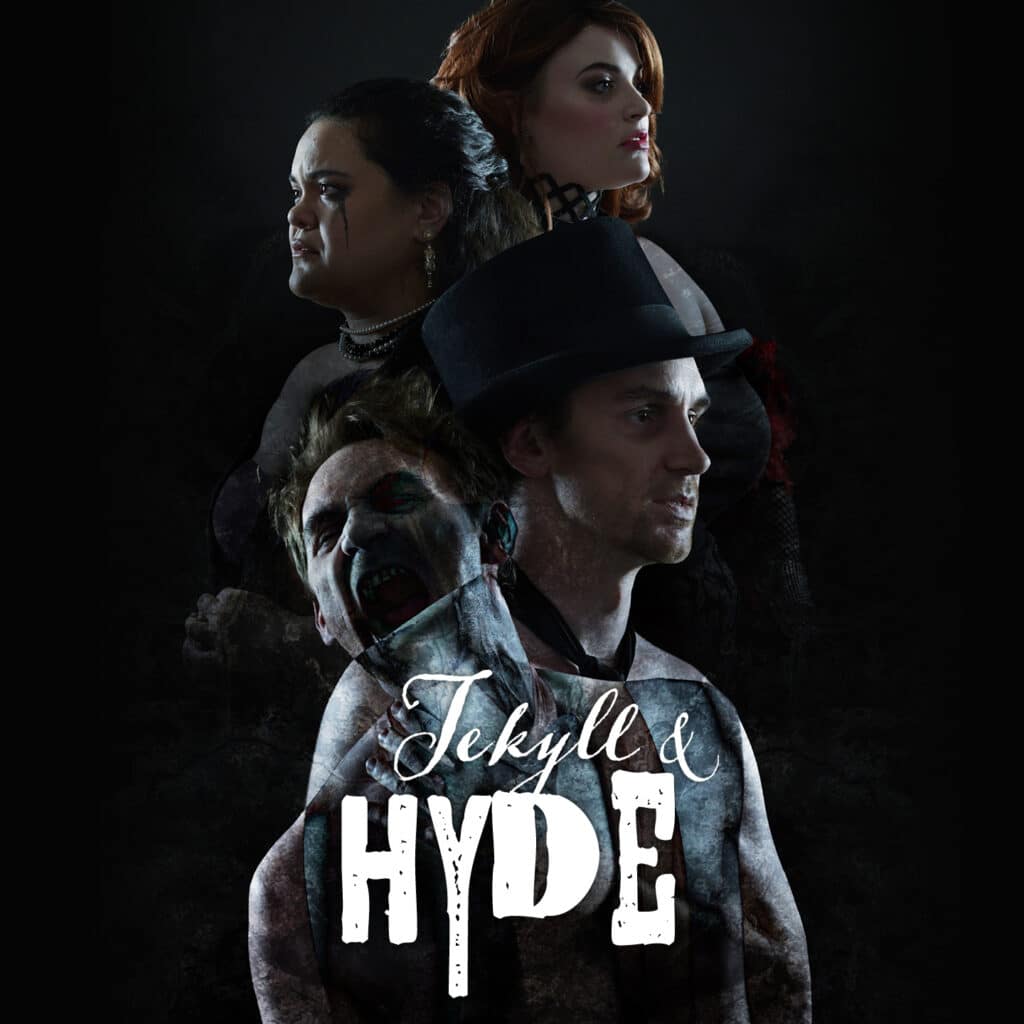



Latest Articles
-
 3Arts distributes $860,000 in unrestricted grants to Chicago artists at 3Arts Awards, surpassing $10M in lifetime funding
Written by Buzz Center Stage3Arts, the Chicago-based nonprofit grantmaking organization, awarded $860,000 to Chicago artists and announced the recipients of its 3Arts Next Level Awards—$50,000 unrestricted awards given to past 3Arts awardees—during a festive celebration held last night at the Harris Theater for Music…
3Arts distributes $860,000 in unrestricted grants to Chicago artists at 3Arts Awards, surpassing $10M in lifetime funding
Written by Buzz Center Stage3Arts, the Chicago-based nonprofit grantmaking organization, awarded $860,000 to Chicago artists and announced the recipients of its 3Arts Next Level Awards—$50,000 unrestricted awards given to past 3Arts awardees—during a festive celebration held last night at the Harris Theater for Music… -
Guarneri Hall announces two-day series REVOLUTIONS on the intersection between music, politics, and social change November 11-12, 2026
Written by Buzz Center StageThe nonprofit Guarneri Hall, a state-of-the-art, custom-built classical music venue in the heart of downtown Chicago at 11 E. Adams St., proudly announces Revolutions, a two-day music series exploring the intersections of political, social, technological, and musical change at two…
-
The Front Theatre announces casting for the North American Premiere of Sap February 25 - March 27, 2027
Written by Buzz Center StageThe Front Theatre announces casting for the North American premiere of Rafaella Marcus's highly acclaimed play Sap, directed by Charles Riffenburg. Sap is a timely and poetic thriller, in which a woman's lie to her girlfriend threatens to grow out of control when…
-
Hyde Park School of Dance presents annual performances of The Nutcracker December 11–13 at Mandel Hall
Written by Buzz Center StageHyde Park School of Dance, now in its 33rd year of training, performance, and community, welcomes families and dance enthusiasts to its annual, one-of-a-kind presentation of The Nutcracker. Performances are December 11–13 at Mandel Hall on the University of Chicago…


Does your theatre company want to connect with Buzz Center Stage or would you like to reach out and say "hello"? Message us through facebook or shoot us an email at This email address is being protected from spambots. You need JavaScript enabled to view it..
*This disclaimer informs readers that the views, thoughts, and opinions expressed in the text belong solely to the author, and not necessarily to Buzz Center Stage. Buzz Center Stage is a non-profit, volunteer-based platform that enables, and encourages, staff members to post their own honest thoughts on a particular production.